Koru Tatau

§ Styles

Three languages.
One same skin.

Each Polynesian culture has its graphic grammar. Māori and Samoan are not the same thing. Here I explain the difference, how I approach each tradition, and how I fuse them with respect when the piece calls for it.

01 ——

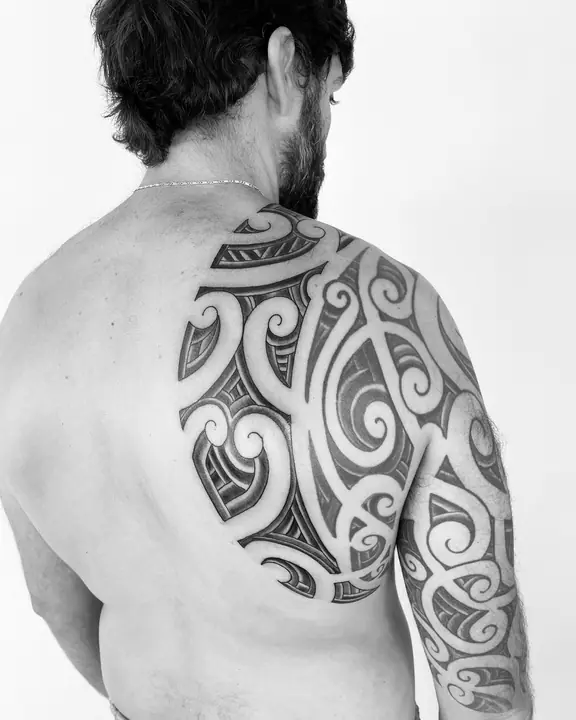
Tā moko

Tā moko · Kirituhi

Aotearoa · New Zealand · Māori people

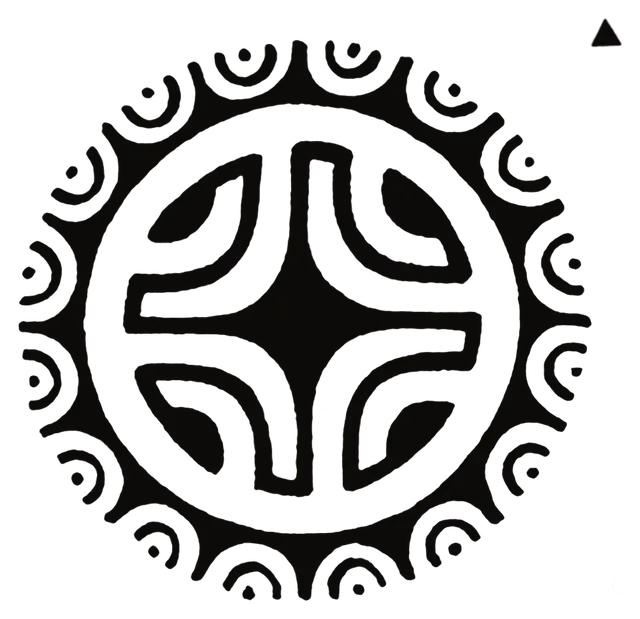
The Māori art of tattooing the skin. Curved lines, spirals (koru) and soft symmetry that embrace the anatomy. Tā moko was ceremonial and genealogical; Kirituhi was born as its contemporary counterpart, open to non-Māori.

«Tā moko isn't copied. It's designed on the body, listening.»
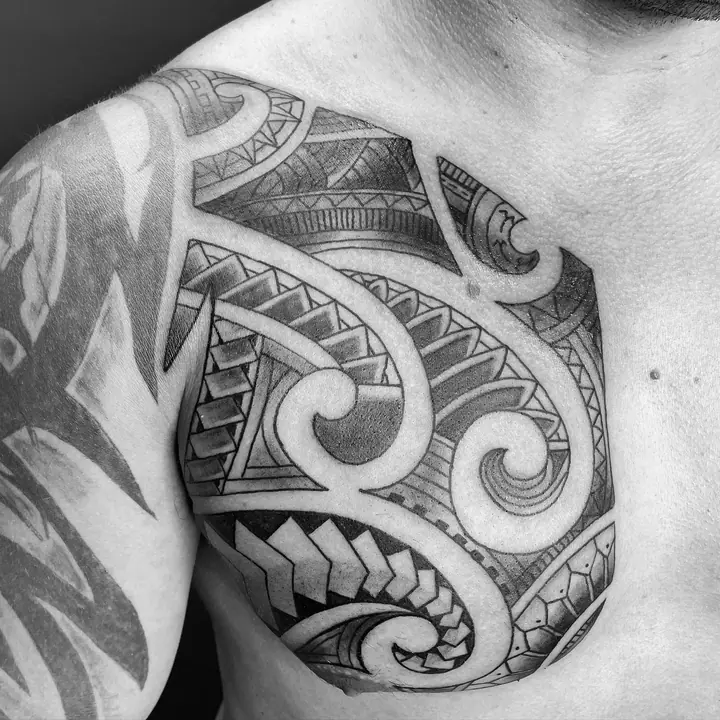
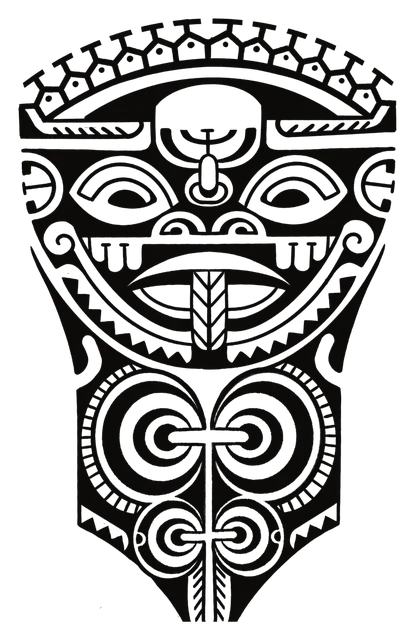
Typical symbols: Koru · Manaia · Hei matau

02 ——

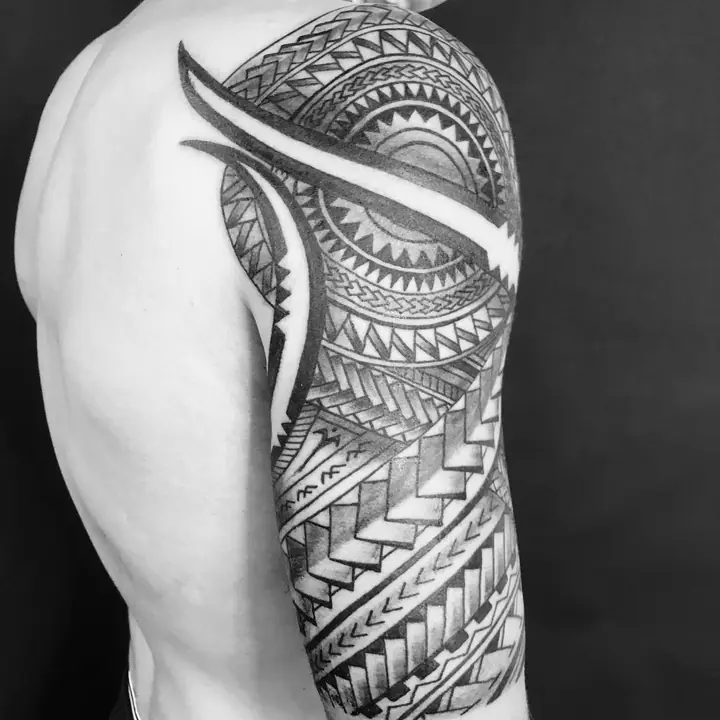
Tatau

Tatau · Pe'a (men) · Malu (women)

Samoa · etymological origin of the word «tattoo»

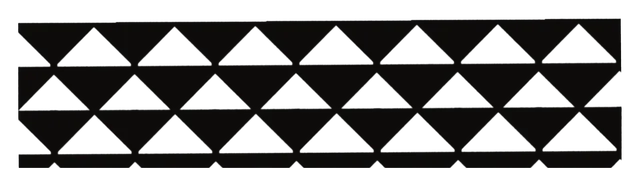
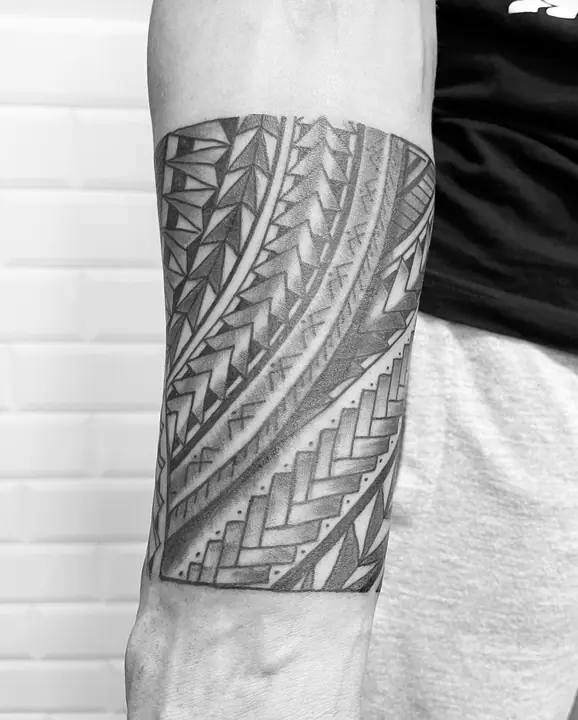
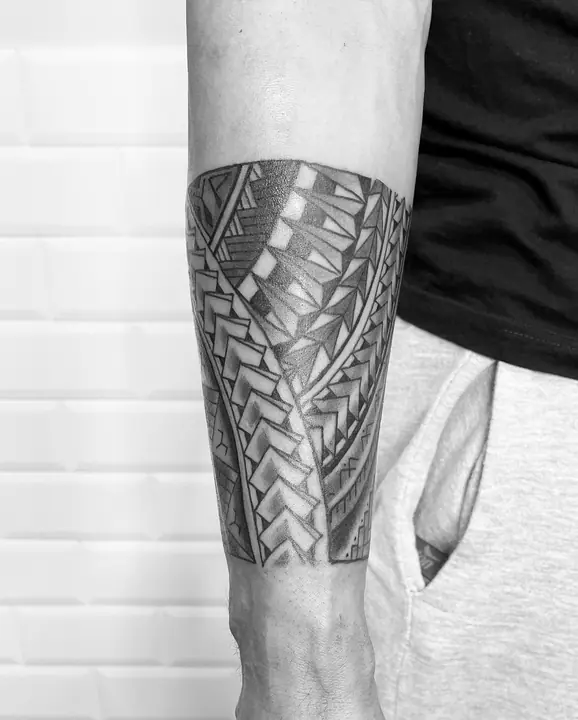
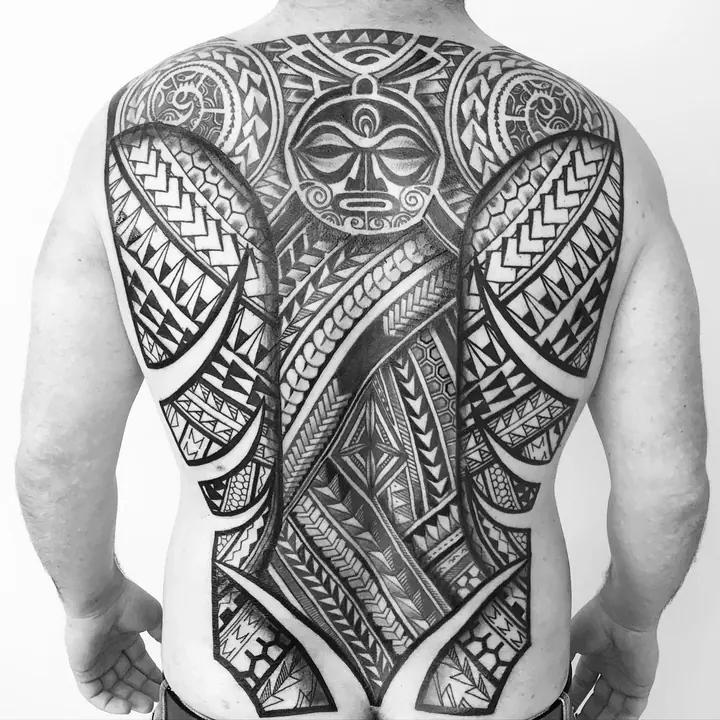
Rigid geometric bands, repeated triangles (niho mano) and large solid masses of black ink. The Pe'a covers from the torso to the knees; the Malu goes from the thighs to the knees. Tradition of the cord and bone comb, today adapted with modern technique.

«Samoan doesn't forgive. Every band has its place, its scale, its geometry.»

Typical symbols: Niho mano · Enata · Vai

03 ——

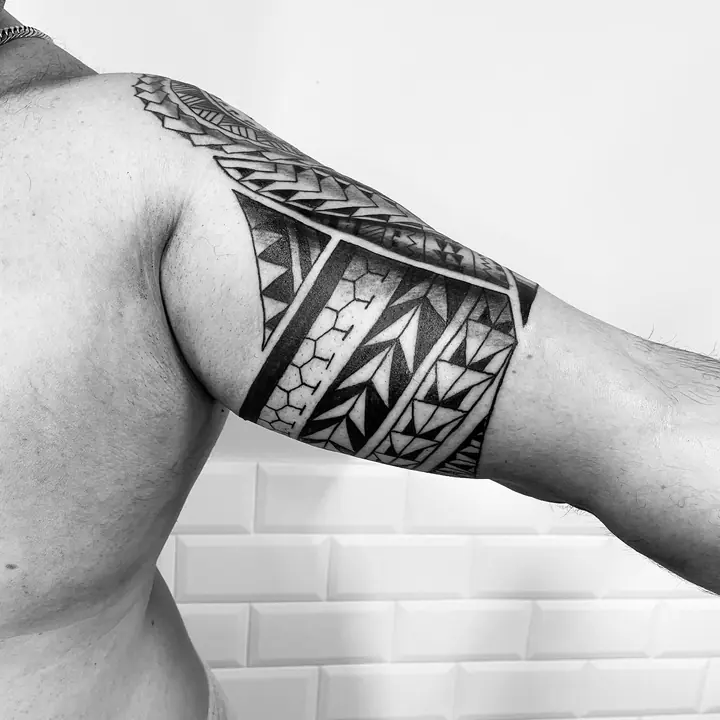
Polynesian tribal

Polynesian · respectful fusion

Polynesian triangle · my signature

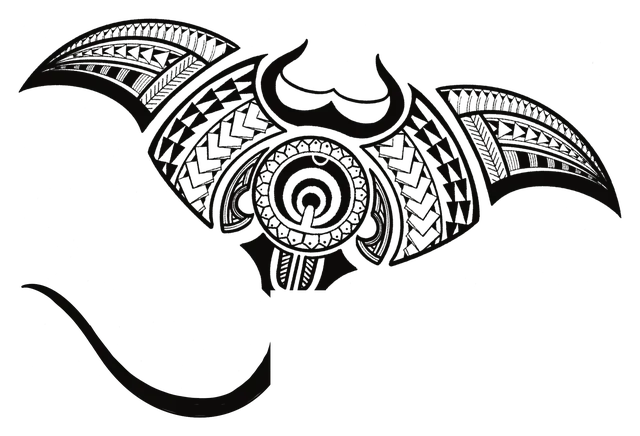
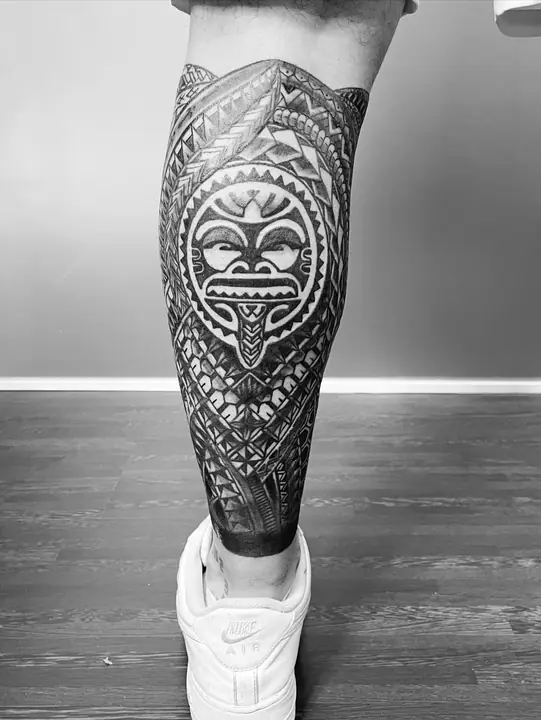
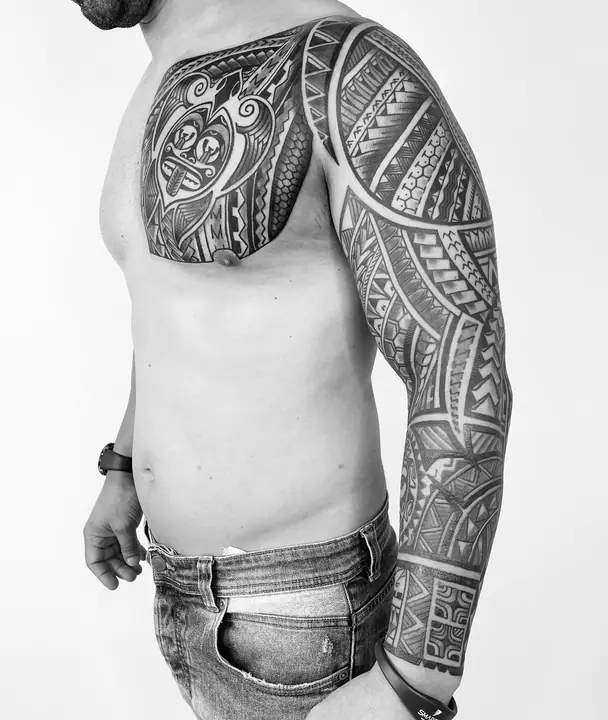
My natural ground: I fuse the Polynesian traditions with respect, keeping the syntax (anatomy, symmetry, symbology) with an aesthetic criterion faithful to tradition, adapted to current times and techniques. The most requested style in Barcelona.

«Faithful to tradition, adapted to current times and techniques.»

Typical symbols: Koru · Tiki · Honu · Niho